

Our customers often ask:
“Why does condensation appear on my windows?”
“Does it mean that the windows are faulty?”
“What can I do to stop it?”
The answer is simple – condensation is not a defect in your windows, but a natural reaction caused by excess humidity indoors and temperature differences between the inside and outside air.
What Is Condensation?
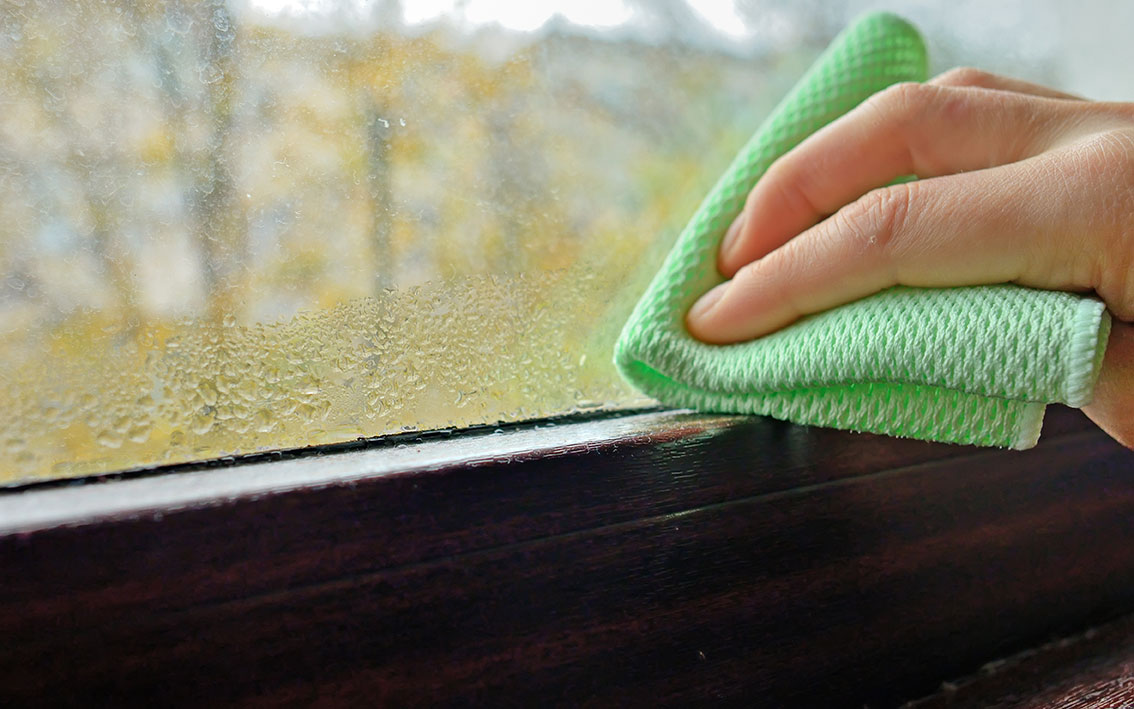
When outdoor temperatures drop, the inner surface of the window glass may fog up.
If the humidity level inside the room is high, small water droplets may form and start running down the glass or frame.
Occasional condensation is not a cause for concern – simply air out the room more frequently, and it will disappear.
However, if it happens every day, especially during winter, you should address it, as excess humidity can cause mold, unpleasant odors, and wall damage.
Why Does Condensation Occur After Replacing Windows?
This is one of the most common questions we receive.
Modern PVC and aluminium windows are made to seal perfectly, which is a great advantage in terms of energy efficiency and heat insulation.
However, this perfect sealing also prevents natural air exchange, meaning that all the moisture created during daily activities remains trapped indoors.
According to studies, an average family of four produces up to 14 liters of moisture per day through cooking, showering, breathing, and drying clothes.
That’s why it’s essential to ventilate your home at least once a day, even when it’s cold outside.
The Most Common Causes of Condensation
Aside from general indoor humidity, condensation can be caused by:
• Poor or irregular ventilation
• Drying clothes indoors
• Too many plants in a small space
• Walls not fully dried after renovation
• Bathrooms without ventilation
• Thermal bridges (poorly insulated wall sections)
• Improper window installation (gaps between wall and frame)
To resolve the issue, it’s important to identify the main source of humidity, as the right solution depends on the cause.
How to Prevent Condensation on Windows
Here are a few practical tips from our team at Tehno Al Marinković:
1. Ventilate Regularly and Briefly
Open your windows two or three times a day for a few minutes, even in winter. This helps expel humid air quickly without losing much heat.
2. Improve Air Circulation
Avoid placing wardrobes or shelves directly against the walls; allow air to flow freely through the room.
3. Choose High-Quality Windows
Aluminium profiles with thermal breaks and modern PVC windows with micro-ventilation options help reduce condensation risk.
4. Select the Right Type of Glass
Low-emission (Low-E) glass provides better insulation and helps prevent condensation by keeping the inner glass surface warmer.
5. Control Indoor Humidity
Use extractor fans when cooking or showering, and if necessary, use dehumidifiers as a temporary yet effective solution.
Conclusion
Condensation on windows is a common issue, but with proper habits, quality PVC or aluminium windows, and correct installation, it can be minimized effectively.
Regular ventilation, balanced humidity, and good thermal insulation are key to maintaining a healthy and comfortable living environment.
If you notice condensation on your windows, don’t worry – it doesn’t mean your windows are faulty. It’s simply a sign of high humidity and insufficient ventilation.
For expert advice or assistance with energy-efficient window installation in Serbia, feel free to contact Tehno Al Marinković.
Our team will be happy to help you choose the best solution for a warm, dry, and comfortable home.